
The Trump administration has increased U.S. military readiness in the Caribbean, moving additional troops and specialized aircraft into the region as pressure continues to build on Venezuela’s authoritarian government.
The movements, first reported by The Wall Street Journal, were identified through official sources and publicly available flight-tracking data. The aircraft involved include CV-22 Ospreys and C-17 cargo planes—assets typically used for rapid deployment and logistical support. While the Pentagon has not publicly outlined the mission, defense experts say the buildup is significant.
Officials at the Department of Defense directed questions to U.S. Southern Command (SOUTHCOM), which oversees American military operations in Latin America. SOUTHCOM declined to provide operational details, citing long-standing security protocols.
A spokesperson for the command noted that rotating personnel and equipment is standard practice, but emphasized that movements involving sensitive assets are not discussed publicly. Still, the scope of the deployment has drawn attention from national security analysts.
According to the report, at least ten CV-22 Osprey aircraft were repositioned from Cannon Air Force Base in New Mexico. Meanwhile, C-17 transport planes moved troops and equipment from major Army installations in Georgia and Kentucky. Units reportedly involved include the 27th Special Operations Wing, the 160th Special Operations Aviation Regiment, and U.S. Army Rangers.
These elite forces are trained for high-risk missions, including securing airfields, supporting special operations, and conducting rapid response operations in hostile environments.
Retired Air Force Lt. Gen. David Deptula, a former senior defense official, told the Journal that the deployment suggests deliberate preparation rather than routine activity.
“When forces like these are positioned forward, it usually means decision-makers want options readily available,” Deptula explained. “The remaining question is what specific objective they are preparing to support.”
The military movements coincide with President Donald Trump’s broader effort to confront Venezuela’s socialist government. The administration has taken steps to curb narcotics trafficking, enforce sanctions on oil shipments, restrict tanker traffic, and warn that Venezuelan airspace should not be considered safe for unauthorized flights.
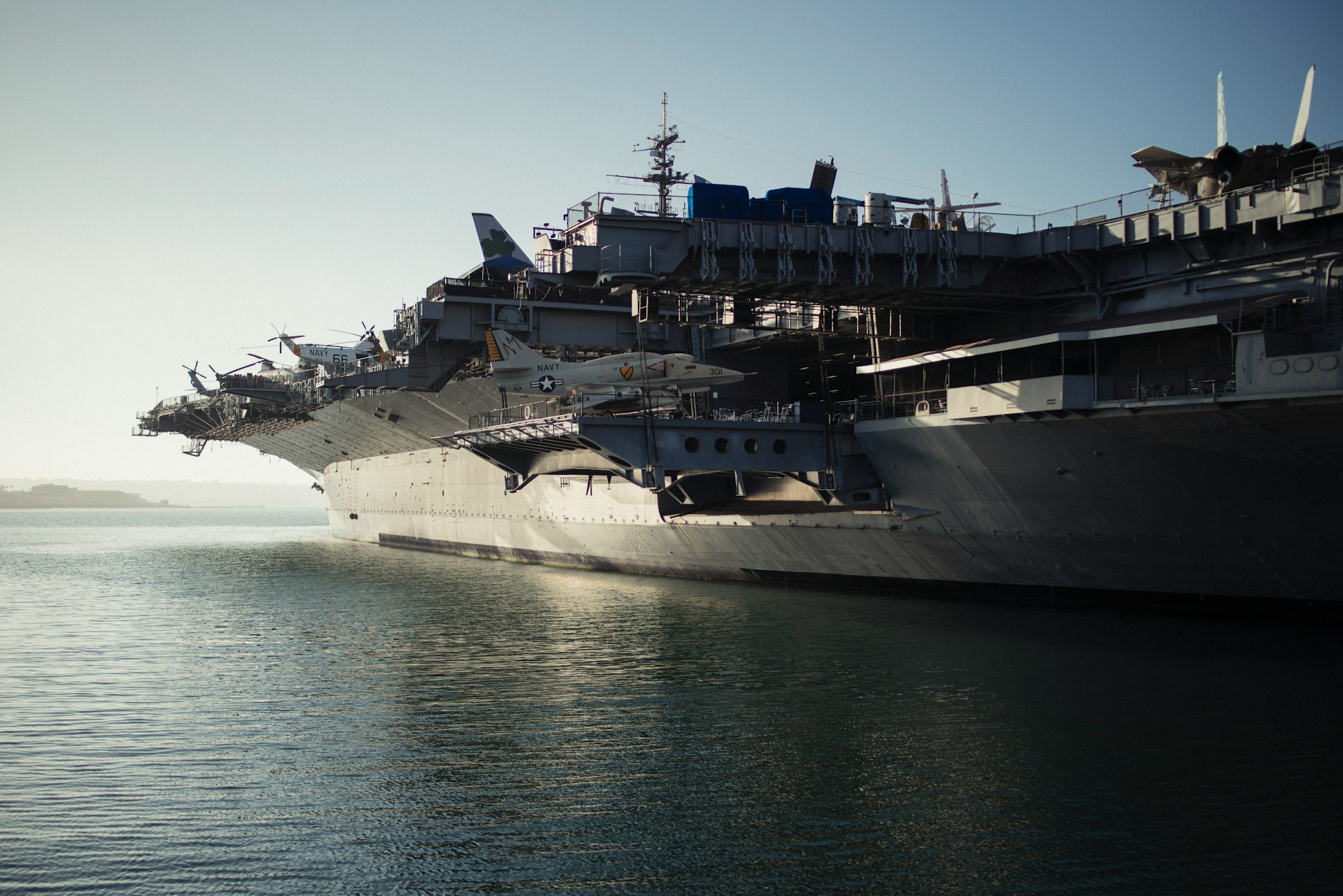
U.S. naval forces are already operating nearby, including warships and an aircraft carrier strike group. Analysts say the latest deployments could enhance deterrence, intelligence gathering, or contingency planning aimed at protecting U.S. interests and regional stability.
Venezuela’s government has sharply criticized the U.S. actions, accusing Washington of economic aggression and political interference. The Trump administration, however, has repeatedly argued that its policies are designed to restore accountability and reduce criminal activity tied to the Maduro regime.
While no official announcement has been made, the administration’s actions signal a clear message: the United States is prepared to defend its interests in the region and will not rule out stronger measures if conditions continue to deteriorate.