
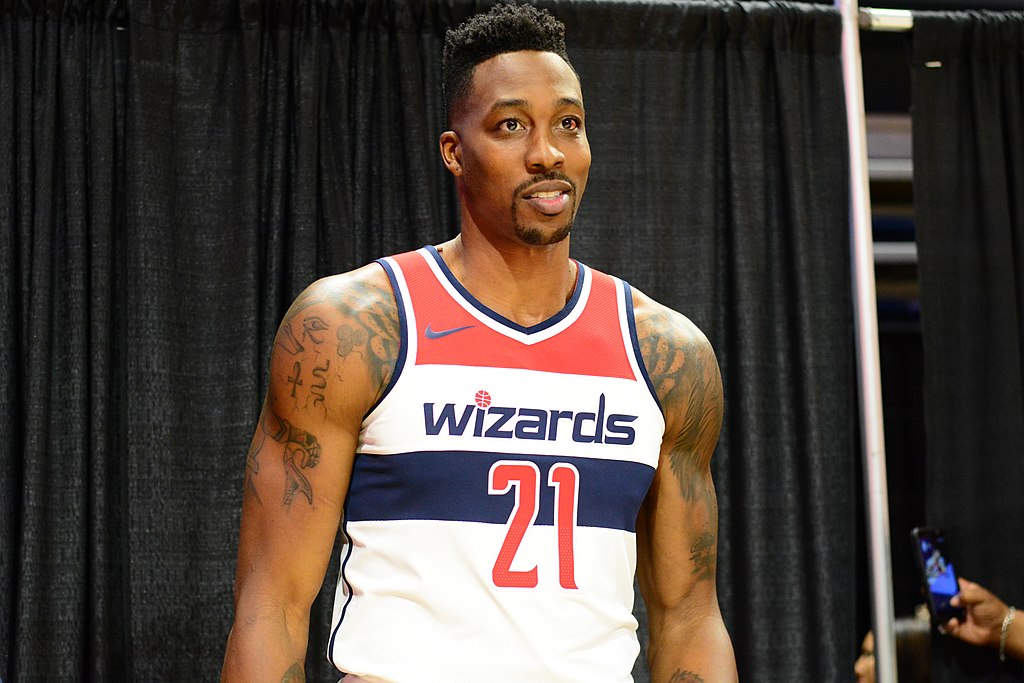
Former NBA star Dwight Howard sparked intense debate online after suggesting that President Donald Trump should consider mandatory military service for Americans.
Howard floated the proposal in a social media message posted late Sunday, suggesting that a mandatory year of national service could promote greater discipline, structure, and personal responsibility—especially for younger Americans. The recently inducted Basketball Hall of Famer also noted that similar requirements already exist in a number of other countries.
Howard said he believes the president should consider requiring all Americans to complete a year of national service, arguing that other nations already follow similar models. He added that such a policy could strengthen discipline and structure, and asked whether the idea would ultimately benefit the country.
The proposal immediately drew strong reactions online.
Many critics pushed back, arguing that Howard himself never served in the military and is now beyond the age of eligibility. Others questioned whether celebrities should be promoting compulsory service when they have not personally experienced it. Some commenters went further, suggesting that public figures should “lead by example” before advocating policies that would affect millions of Americans.
At the same time, the idea found limited support.
Celebrity jeweler Ben Baller responded by saying the concept was “not a terrible idea,” pointing to South Korea as an example of a nation where mandatory military service is strictly enforced—even for celebrities and athletes.
Baller added that compulsory service can instill discipline and accountability, arguing that younger generations could benefit from more structure and responsibility early in life.
President Trump has not addressed Howard’s comments, and there is currently no indication that the administration is considering mandatory military service. Still, the discussion highlights a broader cultural divide over patriotism, civic responsibility, and the role of national service in modern America.
For supporters, the idea represents a return to discipline and national unity. For critics, it raises serious questions about personal freedom and government overreach.
As the debate continues, one thing is clear: proposals involving military service remain among the most emotionally charged issues in American politics—and they are unlikely to fade anytime soon.