
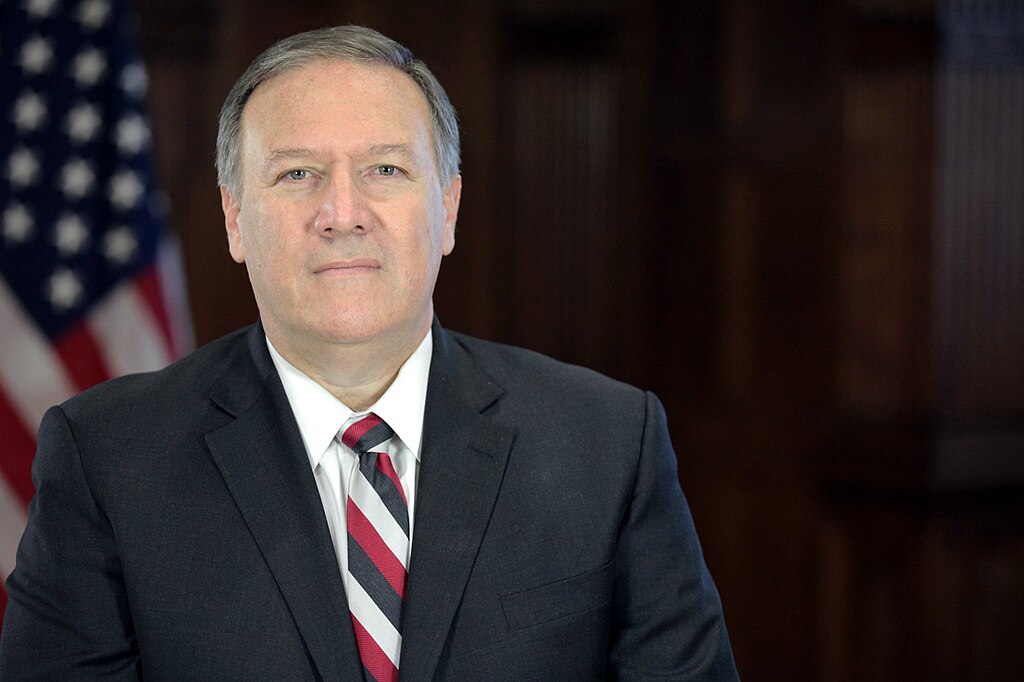
As high-stakes nuclear negotiations begin in Geneva, former Secretary of State Mike Pompeo is issuing a stark warning about Iran’s intentions — and what it could mean for President Donald Trump.
With tensions rising in the Middle East and concerns growing over Iran’s nuclear program, Pompeo says Americans should be cautious about trusting Tehran’s leadership.
Pompeo: Iran Is “Not Serious” About a Nuclear Deal
During a recent radio interview, Pompeo argued that Iran’s regime has little interest in reaching a legitimate, enforceable agreement. Instead, he suggested the negotiations may be a strategic delay tactic.
According to Pompeo, any agreement Iran would currently accept may fall short of what is necessary to truly dismantle its nuclear capabilities. Verification, enforcement, and accountability remain major sticking points.
For many conservatives, this raises memories of the controversial nuclear deal negotiated under former President Barack Obama — an agreement critics argue gave Iran economic relief while allowing its nuclear infrastructure to remain largely intact.
Trump’s Approach: Strength Over Concessions
Pompeo made clear he does not believe President Trump will repeat what critics describe as the mistakes of the Obama-era agreement.
Supporters say Trump’s strategy emphasizes:
- Stronger verification requirements
- Maximum economic pressure
- Clear consequences for violations
- Close coordination with U.S. allies
The goal, according to Pompeo, is to ensure that diplomacy is fully explored — but not at the cost of American national security.
John Bolton Warns Against “Legitimizing” Tehran
Former National Security Adviser John Bolton echoed those concerns in a separate television appearance.
Bolton cautioned against granting credibility to Iranian leaders through prolonged negotiations without meaningful concessions. He argued that Tehran has consistently shown little willingness to abandon its nuclear ambitions.
For many Americans watching global instability — from energy markets to regional security — the outcome of these talks could carry long-term consequences.
Middle East Stability and Global Security at Stake
Iran has long been accused by U.S. officials of supporting militant groups across the region. Critics argue that a weak agreement could embolden those efforts and destabilize already fragile Middle Eastern alliances.
Pompeo described Iran’s ruling regime as resistant to reform and warned that increased pressure — economic, diplomatic, and strategic — may ultimately be necessary.
At the same time, he suggested that negotiations serve an important purpose: proving that the United States made every effort to resolve tensions peacefully before considering tougher measures.
Support for the Iranian People
Pompeo also referenced President Trump’s earlier statements expressing support for Iranian citizens protesting against their government.
He expressed optimism that, over time, the Iranian people may have the opportunity to shape their own future — seeking economic opportunity, political freedom, and stability for their families.
Why This Story Matters to American Voters
For older Americans who remember decades of conflict in the Middle East, the stakes feel familiar — and serious.
Key concerns include:
- Nuclear proliferation
- U.S. military involvement abroad
- Energy prices and global oil markets
- National security threats
- Stability for America’s allies
The central question remains: Is Iran negotiating in good faith — or buying time?
As talks continue, Americans will be watching closely.