
Tensions inside the Republican Party spilled into public view this weekend after a GOP senator vowed to block President Donald Trump’s nominee to lead the Federal Reserve, prompting a sharp response from the White House.
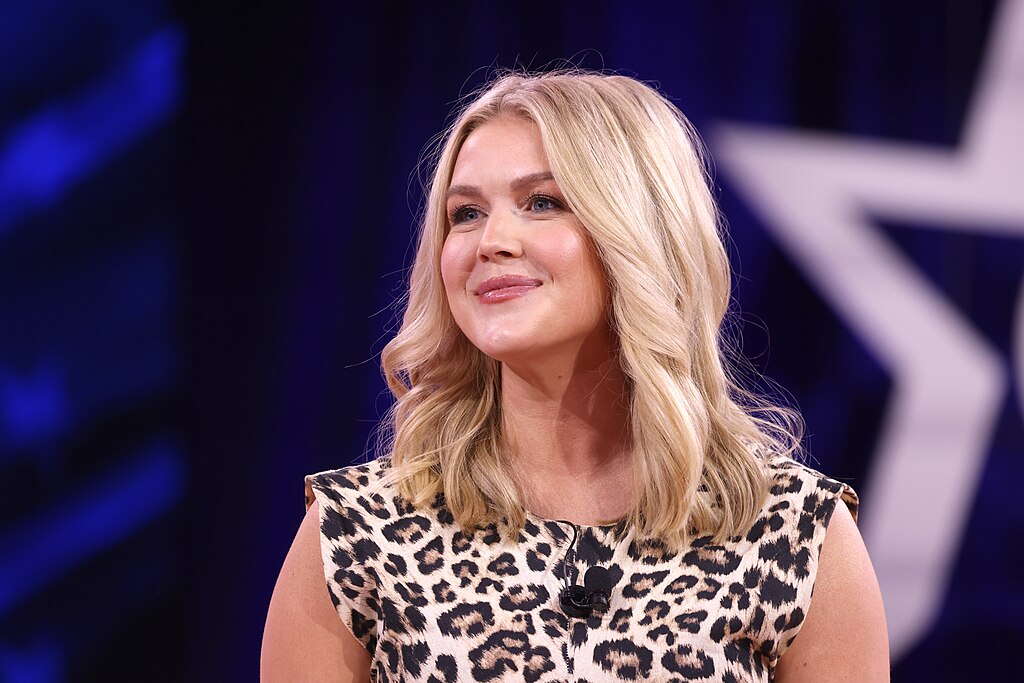
White House press secretary Karoline Leavitt accused Sen. Thom Tillis of North Carolina of putting the nation’s economy at risk by refusing to support Trump’s pick for Federal Reserve chair.
Speaking on Sunday Morning Futures, Leavitt said Tillis’ stance amounts to holding the country “hostage” over political disagreements with an ongoing Justice Department investigation.
“I don’t think a sitting United States senator should be holding the entire country and our economy hostage because he disagrees with an investigation that the Department of Justice is overseeing,” Leavitt said.
White House Defends Trump’s Fed Pick
Leavitt strongly defended President Trump’s nominee, Kevin Warsh, describing him as a “highly qualified and distinguished economist” with an extensive resume in monetary policy and financial markets.
She stressed that Warsh’s credentials are not being questioned, arguing that delaying his confirmation only creates more uncertainty for consumers, investors, retirees, and homeowners already dealing with high interest rates.
GOP Senator Draws a Line
Sen. Tillis has said his opposition is not aimed at Warsh personally, but rather at the Justice Department’s investigation into current Federal Reserve Chair Jerome Powell.
In a statement posted on X, Tillis argued that the DOJ is pursuing a criminal probe based on congressional testimony that “no reasonable person could interpret as criminal.” He added that he will oppose any Federal Reserve nominee—including the chair—until the investigation into Powell is “fully and transparently resolved.”
What the Investigation Is About
Powell, who was originally nominated to lead the Fed by President Trump in 2017, is under investigation over whether he misled lawmakers regarding the cost and timeline of a $2.5 billion renovation of the Federal Reserve’s headquarters.
While the inquiry does not directly involve the Fed’s monetary policy decisions, critics say the probe has become politically charged, especially as interest rates remain elevated.
Interest Rates at the Center of the Fight
President Trump has repeatedly called on the Federal Reserve to lower interest rates, arguing that high borrowing costs are hurting working families, retirees on fixed incomes, and Americans trying to buy or refinance homes.
Powell has resisted those calls, maintaining that the central bank must remain independent from political pressure in order to control inflation and protect long-term financial stability.
Supporters of Trump counter that independence should not mean a lack of accountability—especially at a time when Americans are struggling with inflation, rising debt, and economic uncertainty.
Why This Matters
With interest rates still near historic highs and the cost of living remaining a top concern for voters, the battle over the Federal Reserve’s leadership is shaping up to be one of the most consequential economic fights of the year.
As Republicans debate the future of the Fed, the outcome could have real-world consequences for mortgages, savings, retirement accounts, and the broader U.S. economy.
Leave a Reply
You must be logged in to post a comment.