
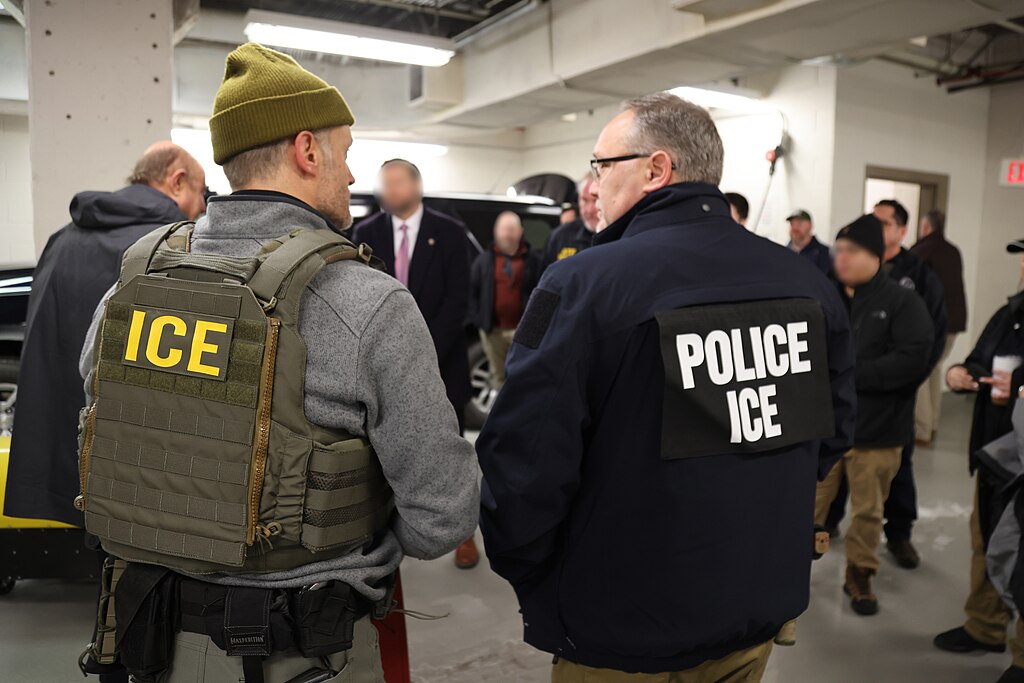
President Donald Trump’s immigration enforcement agenda scored a major victory as new details emerged about a federal partnership designed to strengthen enforcement of existing deportation orders.
According to reporting from The New York Times, the Transportation Security Administration has been routinely sharing traveler information with Immigration and Customs Enforcement, allowing authorities to identify individuals with final orders of removal before they board domestic flights.
How the Program Works
Since March, TSA has reportedly provided ICE with passenger name lists multiple times each week. ICE then compares those names against its internal database of individuals who have already exhausted their legal options and are subject to deportation under U.S. law.
While the federal government has not released official figures on how many removals have resulted, internal documents reviewed by the Times indicate the cooperation has already led to several arrests at major U.S. airports.
Supporters say the effort closes long-standing enforcement gaps by ensuring that final deportation orders are not ignored or delayed.
High-Profile Airport Arrests
One widely publicized case occurred at Boston Logan International Airport, where a college student was taken into custody while preparing to travel for Thanksgiving. ICE officers reportedly met her at the gate after her flight information was flagged through the TSA data-sharing process. She was deported days later.
Records show the alert originated from ICE’s Pacific Enforcement Response Center in California, which monitors travel activity connected to individuals with final removal orders.
The same ICE office also reportedly relied on TSA information to assist in the arrest of another individual at Salt Lake City International Airport earlier this fall.
Former Officials Confirm Expanded Coordination
A former ICE official familiar with the program told the Times that TSA-provided data can include passenger photos, flight numbers, and departure times—details that allow officers to act efficiently and lawfully once travel plans are confirmed.
Although airlines have long shared passenger data with TSA for security screening, the agency historically avoided involvement in domestic immigration enforcement due to concerns about operational strain and traveler disruption.
Critics vs. Supporters
Some former officials warn that arrests at airports could create delays or increase anxiety among travelers. Others argue the cooperation is both legal and necessary, noting that it targets individuals who already have final removal orders issued by the courts.
Supporters of President Trump say the program reflects a return to serious enforcement of immigration law—rather than selective or symbolic actions.
Why This Matters to Voters
For conservatives, especially older Americans concerned about border security and rule of law, the TSA-ICE partnership is being viewed as a clear signal that federal agencies are once again working together to enforce existing statutes.
With immigration expected to remain a central issue heading into future elections, Trump allies see the effort as a meaningful step toward restoring accountability and public confidence in federal enforcement.