
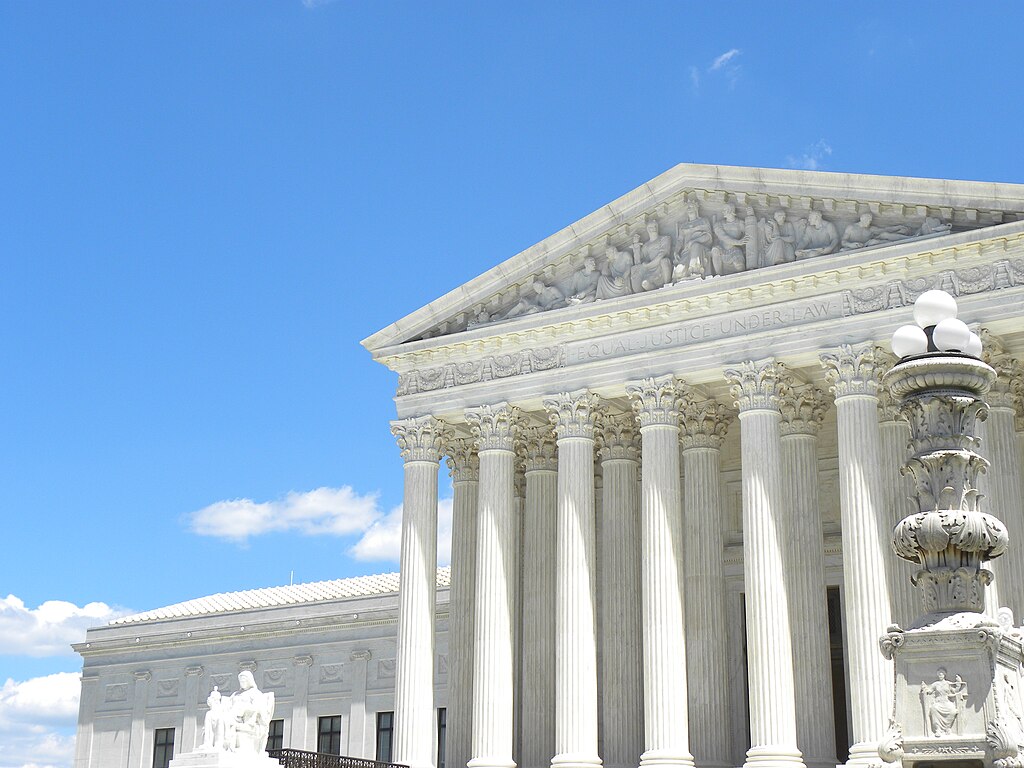
A new U.S. Supreme Court decision is igniting debate among constitutional conservatives — and once again, Justice Clarence Thomas is sounding the alarm.
In a unanimous ruling involving trial rights and the Sixth Amendment, the Court sided against a criminal defendant. But while the outcome was unanimous, Thomas sharply criticized the majority opinion, warning that it “needlessly expands” constitutional precedent.
For Americans who believe in judicial restraint and strict interpretation of the Constitution, this case is about far more than one defendant in Texas — it’s about how far the Supreme Court should go when redefining legal standards.
What Happened in Villareal v. Texas?
The case, Villareal v. Texas, centered on David Villarreal, who was on trial for murder in Texas.
During his testimony, the court called a 24-hour overnight recess. Before dismissing the jury, the trial judge instructed Villarreal’s attorneys not to “manage” or shape his testimony during the break.
Importantly, the judge did not block all communication. Lawyers were free to discuss sentencing possibilities and general strategy — just not the substance of Villarreal’s ongoing testimony.
After Villarreal was convicted, his attorneys appealed, arguing the judge violated his Sixth Amendment right to counsel.
The case eventually reached the Supreme Court.
The Supreme Court’s Decision
Writing for the Court, Justice Ketanji Brown Jackson concluded that existing precedent allows judges to limit conversations about testimony during trial breaks.
The Court ruled that temporary restrictions like this do not violate constitutional rights — particularly when they are narrowly tailored.
However, the majority opinion went further. It stated that defendants may still discuss testimony if that discussion is “incidental” to broader legal topics such as plea advice or strategy.
That additional clarification is what triggered Justice Thomas’s warning.
Why Justice Clarence Thomas Objected
Justice Thomas agreed with the final outcome — but not the reasoning behind it.
In his concurring opinion, he argued the majority unnecessarily broadened existing case law.
According to Thomas, Supreme Court precedent already made the answer clear. The trial judge followed established legal standards. There was no need to “announce” a new constitutional rule about incidental discussions of testimony.
Thomas wrote that the majority’s language risks expanding Sixth Amendment doctrine beyond what is required to resolve the case.
For constitutional originalists and supporters of judicial restraint, that distinction matters.
Why This Matters for Constitutional Conservatives
This case highlights a deeper divide inside the Supreme Court:
- Should justices rule narrowly based on existing precedent?
- Or should they clarify and expand constitutional standards even when not strictly necessary?
Justice Thomas has long argued that courts should interpret — not rewrite — the Constitution.
Many conservative legal scholars warn that incremental expansions of precedent can, over time, reshape constitutional protections in ways the Founders never intended.
For voters who supported President Trump largely because of his commitment to appointing originalist judges, debates like this underscore why Supreme Court philosophy matters.
The Bigger Picture
The Sixth Amendment guarantees the right to counsel. But how that right applies during trial recesses is a technical legal issue with long-term implications.
Even though this ruling was unanimous, Thomas’s separate opinion signals an ongoing struggle within the Court about:
- Judicial activism vs. judicial restraint
- Expanding precedent vs. preserving it
- The proper limits of Supreme Court authority
These internal battles often shape the future of constitutional law more than the headlines suggest.
Final Takeaway
The Supreme Court ruled against the defendant — but Justice Clarence Thomas made clear that how the Court reaches its decisions is just as important as the outcome.
For Americans who value constitutional limits and strict interpretation, this case serves as another reminder: the fight over judicial philosophy is far from over.
Leave a Reply
You must be logged in to post a comment.