
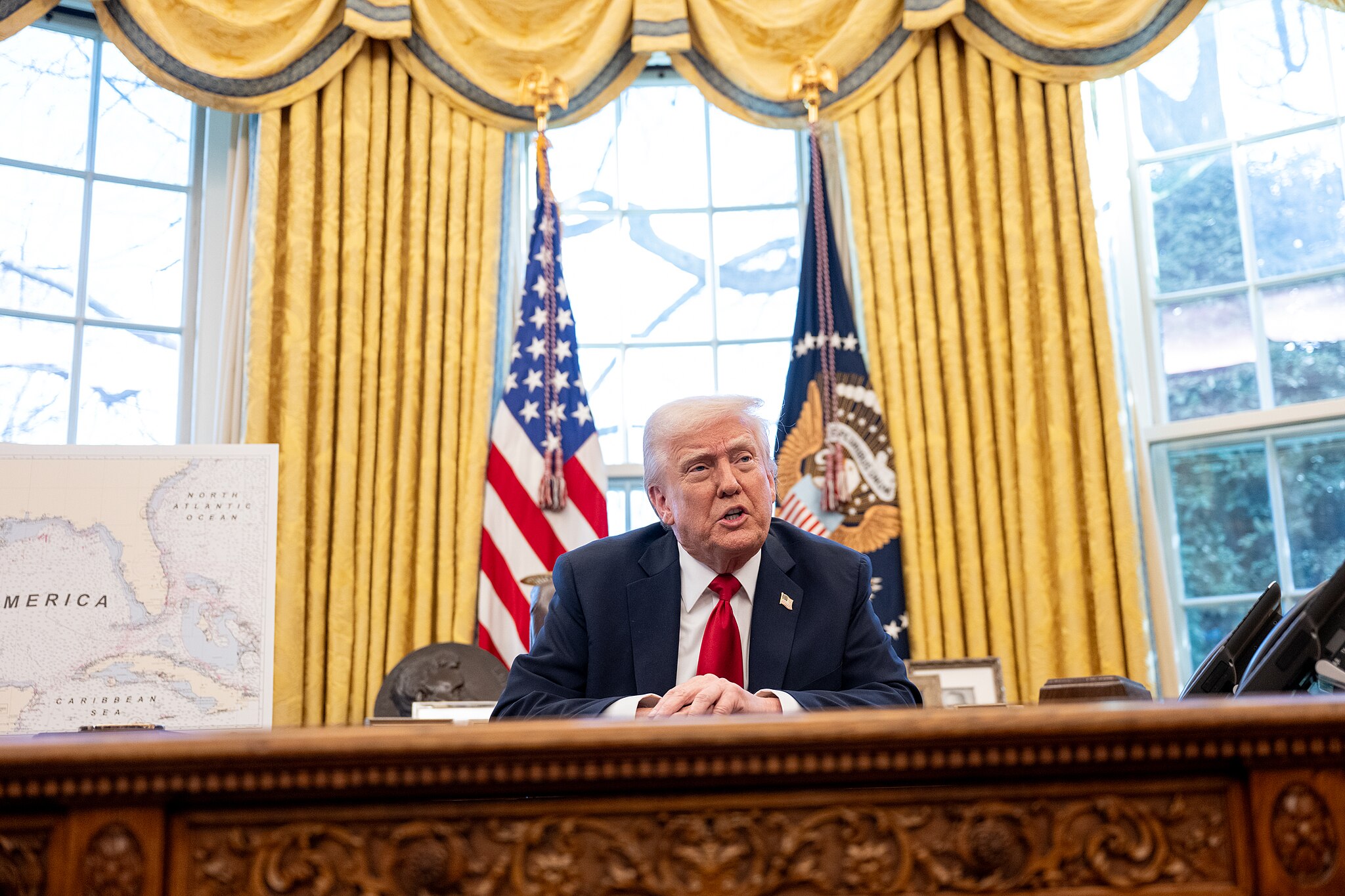
Iran’s ruling regime escalated its rhetoric against President Donald Trump over the weekend, as Supreme Leader Ayatollah Ali Khamenei publicly labeled the U.S. president a “criminal” and accused Washington of interfering in Iran’s internal affairs.
According to remarks broadcast by Iranian state media and cited by Reuters, Khamenei claimed the latest wave of unrest inside Iran was unique because he believes the U.S. president became “personally involved.”
Iranian officials have repeatedly blamed the United States and Israel for protests that have shaken the country in recent months.
Protests Spread as Economic Anger Turns Political
Demonstrations erupted across Iran in late December, initially driven by economic frustration, rising prices, and job shortages. The unrest quickly grew into broader anti-government protests, with demonstrators openly criticizing the ruling clerical regime.
Security forces responded with sweeping crackdowns, drawing international concern and condemnation from human-rights organizations.
U.S.-based advocacy groups report that thousands of Iranians have been killed during the unrest, making it one of the deadliest periods of domestic turmoil in decades. Some estimates suggest the violence rivals the chaos surrounding Iran’s 1979 Islamic Revolution.
Conflicting Death Toll Claims Emerge
Different opposition and human-rights groups have released varying estimates of casualties. One U.S.-based organization placed the death toll above 3,000, while Iranian opposition figure Reza Pahlavi told Bret Baier on Fox News that the number could be significantly higher.
Iran’s government has not provided independent verification of these figures.
Trump Freezes Talks, Signals Hard Line
President Trump has repeatedly voiced support for Iranian protesters and sharply criticized Tehran’s leadership. This week, he announced that the U.S. had cut off talks with the Iranian regime, stating there would be no engagement while civilians continued to be harmed.
Trump also suggested that Iran’s people should reclaim control of their country, reinforcing his administration’s hard-line approach toward Tehran.
Several Republican lawmakers have echoed that stance, calling for increased pressure on the regime.
Executions Paused, White House Says
On social media, Trump praised reports that Iranian authorities halted a large number of planned executions. Posting on Truth Social, the president thanked Iran’s leadership for canceling the hangings, calling it a positive development.
White House Press Secretary Karoline Leavitt confirmed that the administration had warned Iran of “grave consequences” if the killings continued and said U.S. officials were informed the executions had been paused.
She emphasized that all options remain on the table when it comes to dealing with Iran.
Iranian Clerics Escalate Rhetoric
Despite those developments, hardline clerics inside Iran continued issuing inflammatory statements. During a sermon broadcast on state radio, senior cleric Ahmad Khatami accused protesters of working for Israel and the United States, calling them “Trump’s soldiers.”
He also warned that President Trump and Israeli Prime Minister Benjamin Netanyahu should expect retaliation, declaring that peace with America and Israel was not possible.
Bottom Line
Iran’s leadership is now directly targeting President Trump as protests threaten its grip on power. While Tehran blames outside forces, critics argue the regime’s violent response to dissent is driving global backlash—setting the stage for even tougher U.S. action under President Trump.