
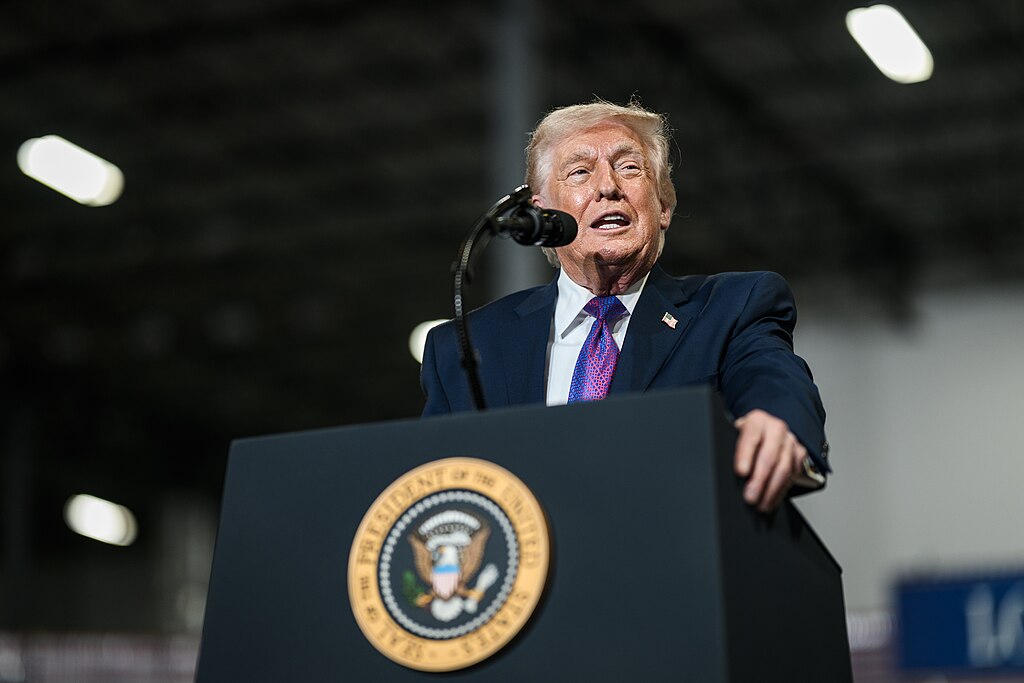
Republicans hit a major roadblock as Democrats unite against Trump-backed election security bill — leaving many voters asking what happens next.
Senate Republicans are running into serious resistance as they attempt to push forward President Donald Trump’s SAVE America Act — a key piece of legislation aimed at strengthening election integrity nationwide.
On Saturday, Sen. Bill Cassidy (R-La.) delivered a blunt reality check during an appearance on Newsmax.
“I don’t see it passing today,” Cassidy admitted, signaling that despite Republican efforts, the bill lacks the votes needed to move forward in the Senate.
A Familiar Problem: The 60-Vote Barrier
At the heart of the issue is a long-standing Senate rule: most legislation requires 60 votes to overcome a filibuster.
While Republicans were able to secure a 51-48 vote to begin debate earlier this week, that number falls well short of the threshold needed for final passage.
With Democrats largely unified in opposition, the SAVE Act is now facing an uphill battle — one that many conservatives see as part of a broader fight over election security in America.
What the SAVE Act Would Do
The SAVE America Act is designed to tighten voter verification standards and restore confidence in U.S. elections — a top concern for many voters, especially after years of heated debate over election procedures.
Republicans say the bill focuses on:
- Strengthening voter ID requirements
- Ensuring only eligible citizens can vote
- Increasing accountability in the voting process
Supporters argue these measures are simply “common-sense protections” to safeguard democracy.
Addressing Concerns About Married Women
One of the most debated aspects of the bill has been how it handles voters whose identification does not match their current legal name — particularly married women.
Cassidy pushed back on criticism, explaining that the bill includes flexibility.
For example, a woman whose ID shows her maiden name would still be allowed to vote by signing an affidavit confirming her name change.
“You don’t need a brand-new ID right away,” Cassidy explained. “You can verify your identity through a signed statement.”
Republicans say this proves they are willing to make reasonable accommodations without weakening election safeguards.
Is the Bill Dead? Not Quite
When asked if the legislation was essentially stalled, Cassidy acknowledged the situation but made it clear Republicans are not backing down.
“You could say it’s flatlined,” he said. “But we’re still working to revive it.”
That determination reflects how important election integrity remains to GOP lawmakers — and to millions of voters across the country.
Weekend Senate Drama Highlights Deep Divide
The SAVE Act debate comes as the Senate held a rare weekend session, underscoring the urgency — and division — in Washington.
Lawmakers also rejected a separate Republican amendment related to transgender athletes, further highlighting the sharp partisan split that continues to define today’s political landscape.
For many Americans, these battles signal a government deeply divided on key cultural and policy issues.
Why This Matters Moving Forward
With the 2026 midterm elections approaching, the outcome of this legislation could have lasting consequences.
For conservatives, the SAVE Act represents more than just a bill — it’s part of a broader push to ensure secure and trustworthy elections.
But without bipartisan support, its future remains uncertain.
What Happens Next?
Republicans are expected to continue exploring options to revive the bill, whether through negotiations or alternative legislative strategies.
The bigger question is whether enough support can be built to overcome the Senate’s procedural hurdles — or if the measure will ultimately stall.
Either way, the fight over election integrity is far from over.
Final Thought
As Washington gridlock continues, many voters are left wondering:
Why is something as fundamental as election security still so difficult to pass?
Leave a Reply
You must be logged in to post a comment.